What Happens If Someone Is Injured on Your Property?
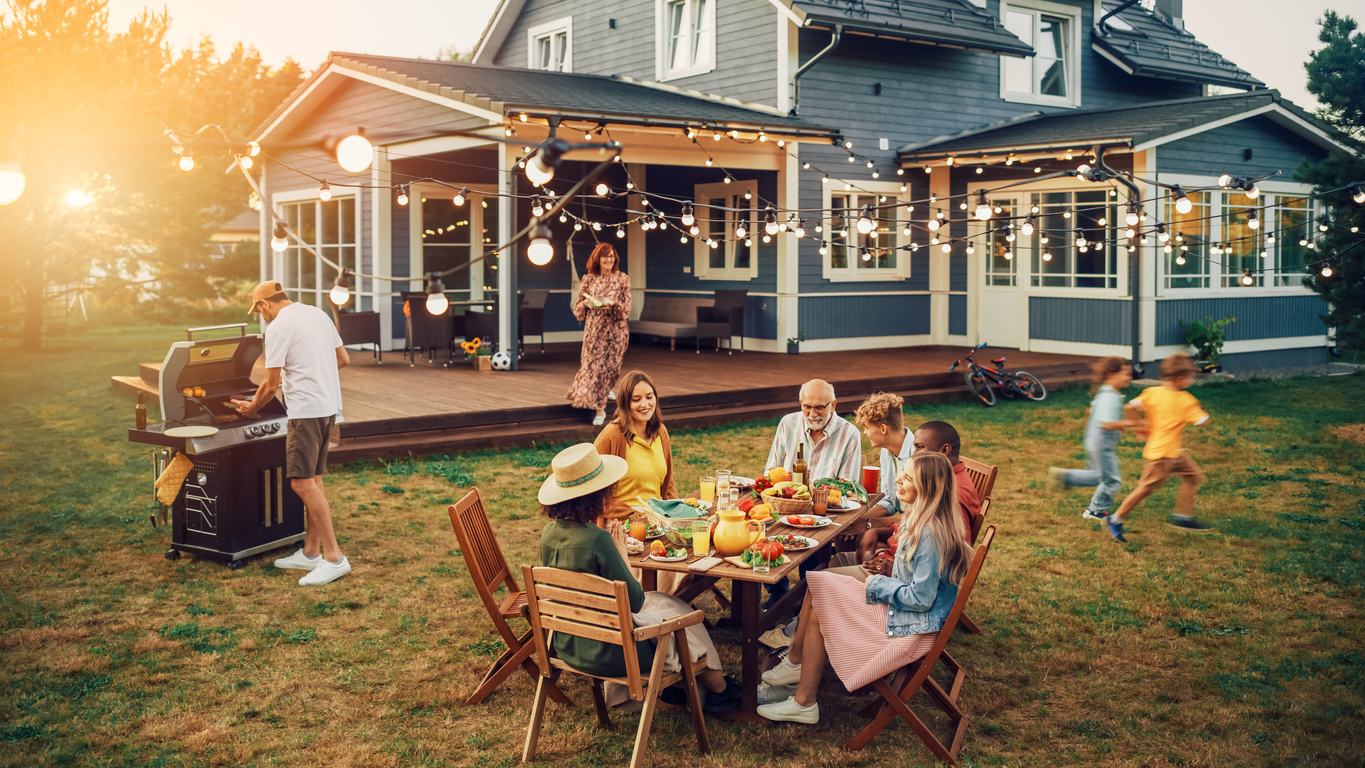
Summer is the perfect time to enjoy your backyard with family, friends, and neighbours. Whether you're hosting a barbecue, relaxing by the pool, enjoying an evening on the deck, or letting the dog roam during a gathering, your property may be the centre of summer fun, but with the fun comes the potential for insurance liability.
While most backyard get-togethers end with great memories, accidents can happen. If a guest is injured on your property, you could be held financially responsible for medical expenses, legal costs, or damages. That's why understanding your liability risks and having the right insurance coverage are important aspects of responsible homeownership.
Why Liability Coverage Matters
Home insurance does more than protect your house and belongings. It also includes personal liability coverage, which may help protect you if someone is injured on your property and you are found legally responsible.
Many insurance professionals recommend carrying at least $2 million in liability coverage. Medical costs, legal fees, and settlement amounts can add up quickly, especially if a serious injury occurs. Increasing liability coverage is often relatively inexpensive compared to the protection it provides.
Pool Safety: A Backyard Favourite with Added Risk
Swimming pools are one of the most common sources of serious backyard injuries. Slips, falls, diving accidents, and near-drowning incidents can happen in seconds.
Homeowners can reduce risks by:
- Installing and maintaining proper fencing and self-closing gates
- Supervising children around the pool at all times
- Keeping rescue equipment nearby
- Maintaining non-slip surfaces around the pool area
- Following all local by-laws regarding pool enclosures and safety requirements
If a guest is injured in or around your pool, liability coverage may help protect you financially if you are found responsible.
Dog Bites and Pet-Related Injuries
Most dogs are friendly family members, but even well-behaved pets can become startled, anxious, or protective when guests are present.
A dog bite, knockdown, or other pet-related injury could result in a liability claim. To help reduce risks:
- Keep dogs supervised during gatherings
- Take action to ensure pets are properly socialized
- Use leashes, gates, or separate areas if needed
- Set boundaries with guests and warn them if your dog may be uncomfortable around strangers or children
Dog-related liability claims can be costly, particularly if medical treatment or legal action is involved.
Inspect Patios, Walkways, and Decks for Tripping Hazards
Take a walk around your property and look for potential hazards.
Common issues include:
- Uneven patio stones
- Raised walkway sections
- Loose deck boards
- Cracked concrete
- Exposed tree roots
- Poor lighting around steps and walkways
A simple trip and fall can lead to significant injuries, especially for children and older adults. Regular maintenance can help prevent accidents before they happen.
Serving Alcohol at Backyard Gatherings
If a guest drinks alcohol at your home and is later involved in an accident that causes injury or property damage, you could potentially face legal liability depending on the circumstances.
While social host liability laws vary by province and specific circumstances, it's always wise to encourage responsible consumption, offer non-alcoholic options, provide food, and help guests arrange safe transportation if needed. Designated drivers, rideshares, taxis, or overnight accommodations can all help reduce potential liability risks.
Check Deck Railings and Spindle Spacing
Decks are often the gathering place for summer entertaining, but they can also pose safety risks if not properly maintained.
In many Canadian municipalities, building codes require deck guardrails and spindles to meet specific height and spacing requirements designed to prevent children from slipping through openings. Requirements can vary by location and may change over time, so homeowners should confirm local regulations before building or renovating a deck.
It's also important to inspect:
- Loose railings
- Rotting wood
- Corroded fasteners
- Unstable stairs
- Worn or damaged structural components
Keeping your deck safe protects both your guests and your investment.
Backyard Campfires: Check Local Regulations First
Most municipalities have bylaws that restrict or prohibit open-air burning. Some communities require permits, while others allow fires only under specific conditions, such as using approved fire pits, maintaining minimum setback distances from buildings, or during certain times of the year. Temporary fire bans may also be implemented during dry conditions to reduce wildfire risks.
If a backyard fire spreads and causes property damage or injuries, the homeowner could be held financially responsible. Even smaller incidents, such as a guest being burned by a fire pit or tripping near a fire area, could potentially result in a liability claim.
Before having a campfire:
- Check your local municipal bylaws and permit requirements.
- Keep a hose, fire extinguisher, or water source nearby.
- Never leave a fire unattended.
- Keep children and pets at a safe distance.
- Fully extinguish the fire before leaving the area.
Awareness and taking precautions can help ensure your backyard campfire remains a safe, memorable summer tradition.
A Little Prevention Goes a Long Way
Most backyard accidents are preventable with routine maintenance, proper supervision, and attention to safety. Taking time every year to inspect your property can help reduce the likelihood of injuries and liability claims.
Whether you're hosting a family barbecue, a pool party, or a casual evening on the deck, having adequate liability coverage and a safe outdoor space can help you enjoy the season with greater peace of mind.