Understanding Ontario Demerit Points: How They Work and Why They Matter
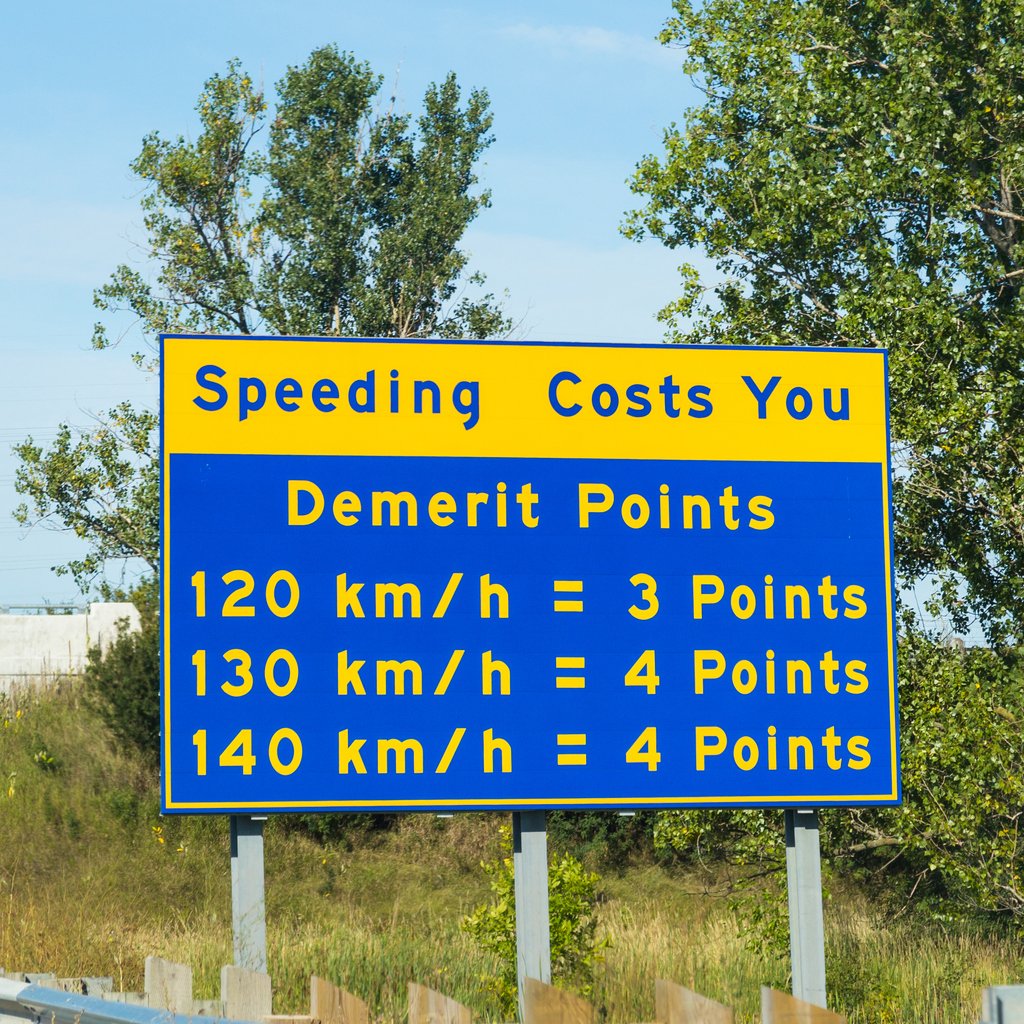
There’s one key thing to know about Ontario’s demerit point system: you don’t want points on your licence.
Demerit points are added to your driving record after you’re convicted of certain driving offences. Ontario’s Ministry of Transportation uses the system to encourage safer driving habits and help identify drivers who repeatedly break the rules.
The good news is that points don’t last forever. The not-so-good news is that too many points can lead to warnings, interviews, and even licence suspensions, especially for new drivers.
How long do demerit points stay on your record in Ontario?
In Ontario, demerit points stay on your record for two years from the offence date (not the conviction date).
So even if your ticket takes months to resolve, the two-year countdown begins on the day the offence happened.
How to check your demerit points in Ontario
You can check your points by ordering your driving record through ServiceOntario (online, in person, or by mail). Driver record options usually include:
- 3-year driver record (uncertified): $12
- 3-year driver record (certified): $18
- Complete driver record: $48 (uncertified) or $54 (certified)
What’s the maximum number of demerit points in Ontario?
Fully licensed drivers (G / M): A fully licensed driver can reach 15 demerit points, which triggers an automatic suspension. Below are the typical actions.
- 2 to 8 points: Warning letter
- 9 to 14 points: You may be asked to attend an interview (and your licence may be suspended)
- 15+ points: Automatic licence suspension (commonly 30 days)
Novice drivers (G1/G2, M1/M2): Ontario is stricter with new drivers.
- 2 to 5 points: Warning letter
- 6 to 8 points: Second warning letter
- 9+ points: 60-day suspension
Not all tickets come with demerit points
Some tickets come with fines, but no points, and some offences are serious even if they don’t include demerit points.
Also important: demerit points are only applied if you’re convicted. If you fight a ticket and it’s withdrawn or dismissed, no points are added.
Common demerit point examples in Ontario
Here are a few examples drivers often ask about:
Speeding
- 3 points: 16 to 29 km/h over the limit
- 4 points: 30 to 49 km/h over the limit
- 6 points: 50 km/h or more over the limit
Distracted driving
Using a handheld device (like a phone) is commonly listed as 3 demerit points, along with significant fines and other consequences.
Seatbelt offence
Not wearing a seatbelt is commonly a 2-point offence. Drivers can also be charged if passengers under 16 aren’t properly buckled.
Do demerit points affect car insurance in Ontario?
Not directly. Insurance companies usually rate drivers based on convictions, not the total number of demerit points.
That means you could have:
- a conviction with points
- a conviction without points
- or a serious offence that impacts insurance, even if points aren’t the main factor
For example:
- Red light camera tickets often go to the registered owner and may not impact insurance the same way as a driver conviction.
- Driving without insurance can seriously increase future premiums, regardless of points.
- Impaired driving is a Criminal Code offence with long-term consequences well beyond demerit points.
Ontario demerit points stay on your driving record for two years from the date of the offence, not the date of conviction. Drivers can view their points by requesting a driver record through ServiceOntario, with several record types available. Maximum thresholds vary: fully licensed drivers face an automatic suspension at 15 points, while novice drivers face suspension at 9 points. Not every traffic ticket carries points, and points aren't added unless there’s a conviction. From an insurance perspective, points themselves aren’t usually the main factor; convictions are what insurers typically rate most heavily.