Heat Wave Tips for Canadians
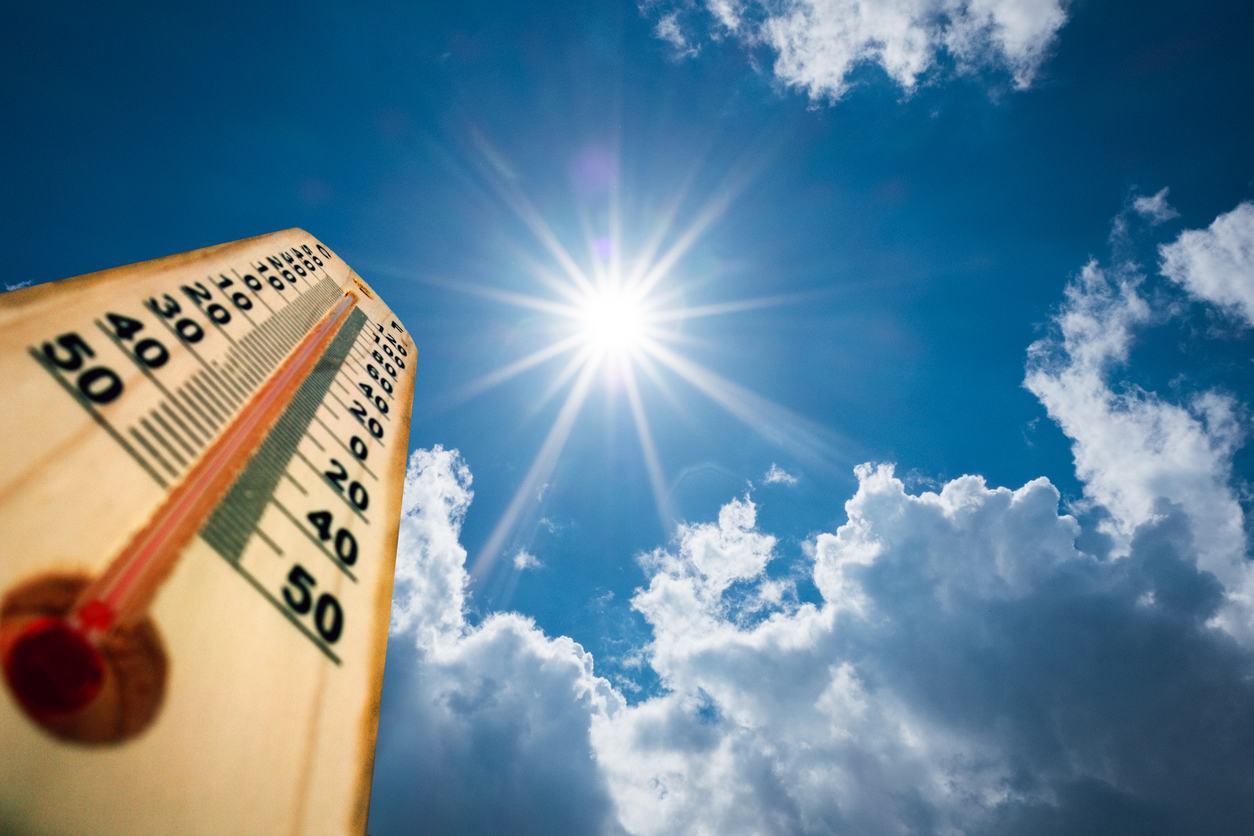
While many parts of Canada enjoy relatively mild summers, extreme heat events are becoming more common and more intense. A prolonged heat wave can affect your health, increase strain on your home, and send energy bills soaring if you're not prepared.
Whether you're dealing with a few hot days or a week of record-breaking temperatures, here are some practical ways to stay safe, comfortable, and energy-efficient.
Protect Yourself and Your Family
Extreme heat can lead to dehydration, heat exhaustion, and heat stroke, especially for older adults, young children, people with chronic health conditions, and outdoor workers.
During a heat wave:
- Drink water regularly, even if you don't feel thirsty.
- Limit strenuous outdoor activities during the hottest part of the day (typically between 11 a.m. and 4 p.m.).
- Wear lightweight, light-coloured clothing.
- Use sunscreen and seek shade when outdoors.
- Check on elderly relatives, neighbours, and anyone who may be vulnerable to heat-related illness.
- Never leave children or pets in a parked vehicle, even for a few minutes.
Common warning signs of heat-related illness include dizziness, headache, nausea, confusion, rapid heartbeat, and excessive sweating.
Keep Your Home Cooler
You don't need to run your air conditioner constantly to make a noticeable difference. Try these simple strategies:
Block the Sun: Close blinds, curtains, and drapes on windows that receive direct sunlight. Blackout curtains can significantly reduce indoor temperatures.
Use Fans Wisely: Ceiling fans should rotate counterclockwise during summer to push cool air downward. Using portable fans can help circulate air.
Reduce Indoor Heat Sources: Avoid using ovens, dryers, and dishwashers during the hottest parts of the day. Consider grilling outdoors or preparing no-cook meals.
Cool Your Home at Night: Open windows during cooler evening and early morning hours to let fresh air circulate, then close them before temperatures rise.
Help Your Air Conditioner Work Efficiently
Your air conditioner works hardest during extreme heat. A little maintenance can improve performance and reduce energy costs.
- Replace or clean HVAC filters regularly.
- Keep outdoor condenser units free of debris, weeds, and leaves.
- Gently remove cottonwood or poplar fluff that may accumulate on outdoor units.
- Keep vents and registers unobstructed by furniture or curtains.
- Consider using a programmable or smart thermostat to manage cooling more efficiently.
Even raising your thermostat by one or two degrees can help reduce energy consumption without sacrificing much comfort.
Stay Informed
Pay attention to local weather alerts and heat warnings. Many municipalities open cooling centres, splash pads, libraries, and community centres during extreme heat events.
A little preparation can help Canadians stay safer, more comfortable, and more energy-efficient when temperatures climb. By taking steps to protect yourself, your family, and your home, you can make the most of summer while avoiding the risks and costs associated with extreme heat.
For more information on how to cope during heatwaves, please visit the Red Cross Canada website.